
CANTONESE, OUT IN THE WORLD
Cantonese, in context.
A lot more to say.
Useful language, small cultural details and conversations worth having. Explore Cantonese one real situation at a time.
1–18 of 121 articles
M goi, do ze or sorry? Choose the right Cantonese courtesy phrase
Compare 唔該, 多謝, 唔好意思 and 對唔住 with recorded Cantonese examples, Jyutping and everyday situations for thanks, requests and apologies.
Read the article
Not feeling well in Cantonese: describe it and ask for help
Say 我唔舒服, describe a sore throat or an unsettled stomach, and ask where to find a clinic in Cantonese. Jyutping and saved pronunciation examples.
Read the article
Today, tomorrow and now in Cantonese: time words in real plans
Learn 今日, 聽日 and 而家 with Jyutping, recorded sentence examples and the difference between asking the time, the date and someone’s availability.
Read the article
Shopping in Hong Kong: prices, browsing and useful Cantonese
Learn Cantonese for browsing, asking prices, trying clothes and paying in Hong Kong, with clear distinctions between ordinary shops and bargaining.
Read the article
Eating out in Hong Kong: Cantonese from table to bill
Follow a Cantonese restaurant conversation from finding a table to ordering, changing a drink, packing leftovers and asking for the bill.
Read the articleCantonese greetings and courtesy: what to say and when
Choose Cantonese greetings, thanks and apologies for everyday situations, with recorded examples and a clear distinction between warmth and sarcasm.
Read the article
Everyday Cantonese with friends and family
Use Cantonese to introduce yourself, catch up, show care and stay in touch, with phrases for arrivals, missing someone and thoughtful follow-ups.
Read the article
Cantonese for directions and getting around Hong Kong
Ask for stations, exits, routes and directions in Cantonese, then practise checking the answer and making a considerate request on shared transport.
Read the article
When you do not understand: keep Cantonese conversation going
Learn how to ask for repetition, slower speech and a meaning in Cantonese, and distinguish hearing a sentence from understanding or agreeing with it.
Read the article
Talk about food in Cantonese: taste, hunger and being full
Describe food and appetite in Cantonese, from enjoying soup to wanting one more bite, and understand when food expressions are jokes or personal opinions.
Read the article
Cantonese at work: meetings, messages and finishing the day
Use Cantonese to discuss meetings, private follow-ups and finishing work, while distinguishing a direct statement from a clear professional request.
Read the article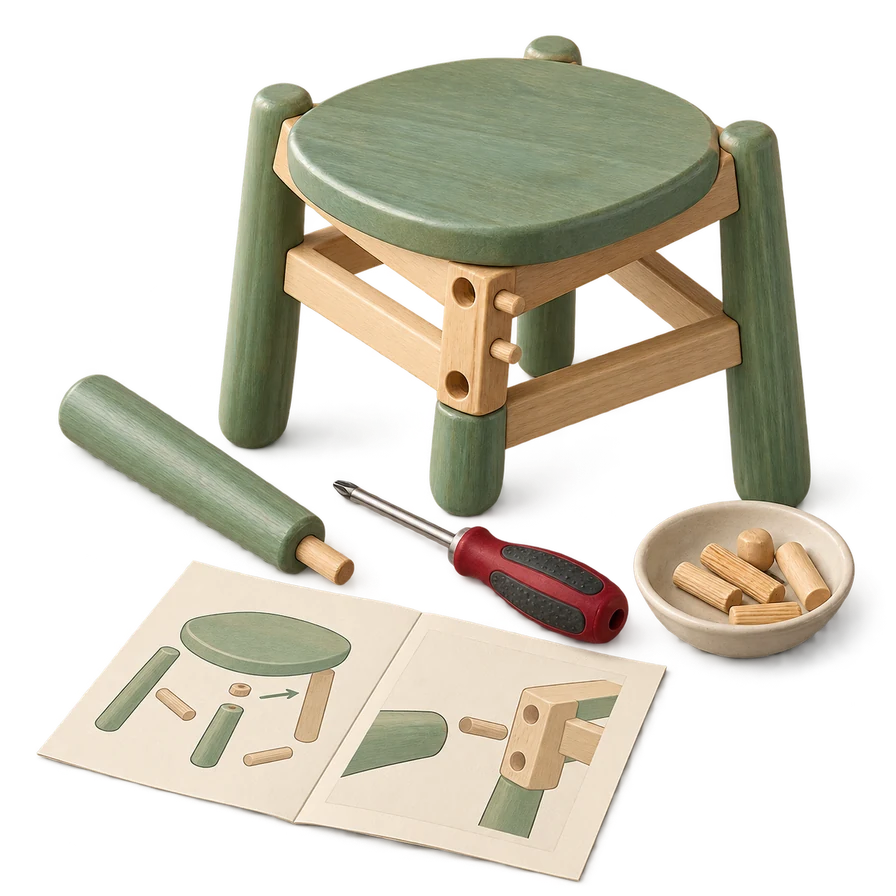
Cantonese at home: requests, reminders and small problems
Talk about everyday tasks at home in Cantonese, with examples for putting a phone away, assembling furniture, fixing things and asking for help.
Read the articleCantonese for needing a break, a nap or some quiet
Express a need for rest in Cantonese and recognise the difference between taking a short break, postponing a task and asking someone to leave you alone.
Read the article
Feeling overwhelmed in Cantonese: listening and reassurance
Describe feeling overwhelmed in Cantonese and choose a response that acknowledges difficulty, offers attention or gives specific reassurance.
Read the article
Cantonese for relationships and mixed signals
Talk about friendship, uncertain relationships and mixed signals in Cantonese, while separating a person’s stated intentions from a label or joke.
Read the article
Flirting and attraction in Cantonese: meaning and register
Understand Cantonese clips about attraction, the ick and shipping, and learn which phrases describe feelings, tease someone or speculate about a couple.
Read the article
Compliments and opinions in Cantonese: looks, style and taste
Give more specific Cantonese compliments and understand style-related clips, including why a change comparison can land differently from simple praise.
Read the article
Main characters and NPCs: internet personas in Cantonese
Decode Cantonese adaptations of main-character energy, NPC behaviour and side quests, and separate a playful persona from a claim about a real person.
Read the article